
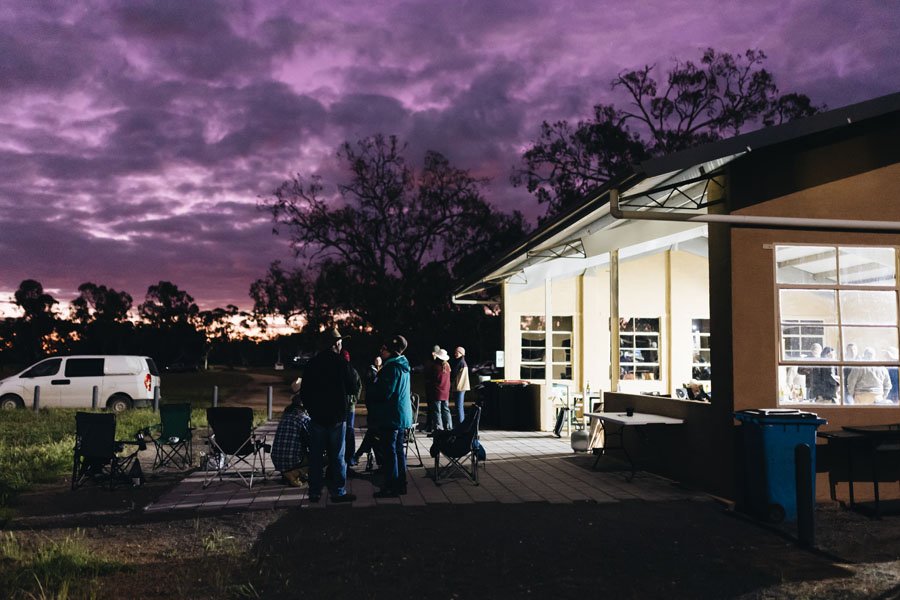
Traditional Owner and community engagement (roadshow/campaign)
Project Aim: Examine genetic differentiation and inbreeding indices in small and isolated malleefowl populations, compare this to large populations, and develop strategies to increase genetic variation where needed.
Background: Clearing for agriculture devastated malleefowl populations by removing the most productive habitat and leaving remnant habitat severely fragmented. While typically small, these isolated remnants often support high densities of breeding malleefowl with significantly more positive population trajectories than those in larger, uncleared landscapes on more arid and poorer soils. While demographics of malleefowl in small patches within agricultural landscapes appear relatively favourable, their long-term prognosis is poor because fragmentation has disrupted natural gene flow patterns, which will lead to genetic degradation and damaging inbreeding. Populations in large, uncleared landscapes that are subject to extensive bushfires are at risk of localised extinction; small surviving populations may also face genetic bottlenecks and inbreeding depression.
How the project will benefit Malleefowl and the recovery group: This project aims to change the approach towards isolated remnants of high-quality malleefowl habitat. It will use ‘genetic rescue’ to transform currently vulnerable and neglected populations, which are typically of low genetic diversity and poor long-term prognosis, into insurance populations that safeguard levels of genetic variation necessary for population persistence. This approach would leverage the benefits of small, isolated patches, which include more productive soils, access to edge forage, protection from wildfire, moderated climate, greater management options, and opportunities for community participation.
In the following projects we intend to work with geneticists at the Wildlife Genetic Management Group Hub at Monash University as well as other institutions and government partners.