National Malleefowl Recovery Group
Our Research & Conservation Projects
From citizen science monitoring spanning four decades to cutting-edge genetics and remote sensing, the NMRG runs a diverse portfolio of projects — all aimed at one goal: understanding and recovering the Malleefowl.

Malleefowl Annual Monitoring Program
One of the largest single-species monitoring programs in Australia. Hundreds of volunteers across WA, SA, VIC and NSW survey more than 3,800 mounds every year using a standardised national protocol, feeding data into a central database that tracks population trends across the species' entire range.
Learn more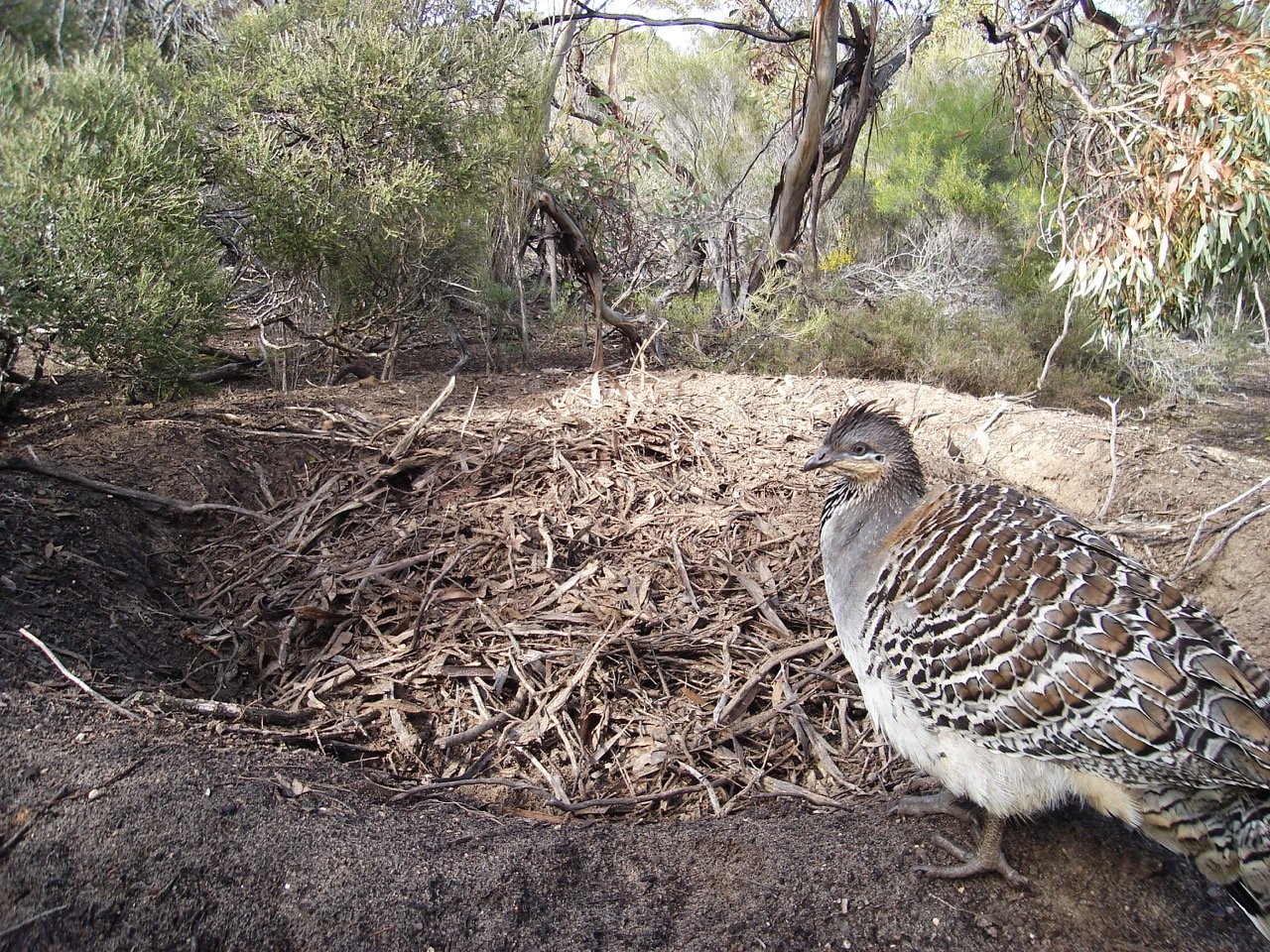
Camera Trap Studies: Habitat Links & Restored Habitat
Using motion-sensor cameras to find out how often Malleefowl use habitat corridors and areas of restored vegetation — vital information for designing effective landscape connectivity.
Learn more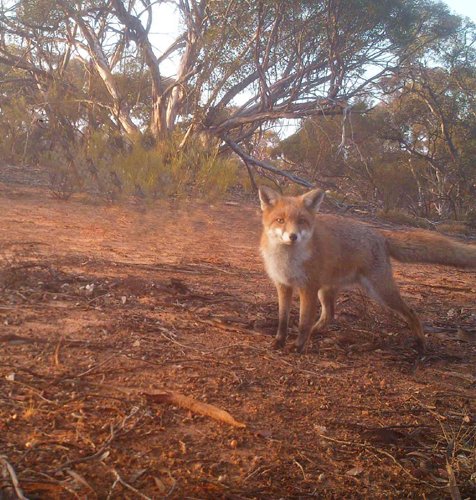
Adaptive Management Predator Experiment
A replicated experiment across multiple states testing whether controlling foxes and feral cats leads to measurable improvements in Malleefowl breeding activity — with rigorous paired treatment and control sites.
Learn more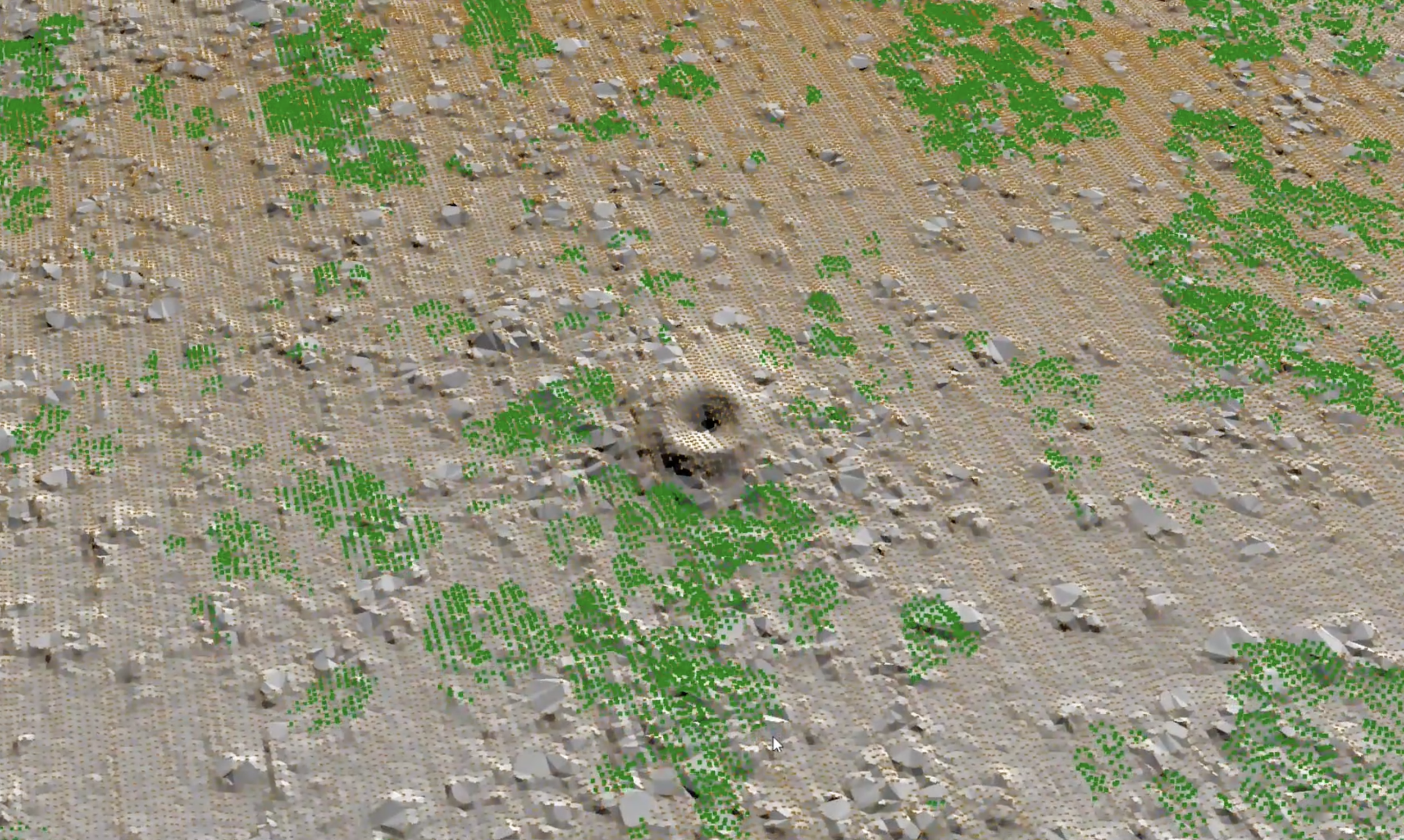
LiDAR Benchmarking & Habitat Modelling
Applying airborne LiDAR to detect Malleefowl mounds from above and model the vegetation structure that defines prime breeding habitat — particularly in the vast Murchison and Coolgardie bioregions of WA.
Learn more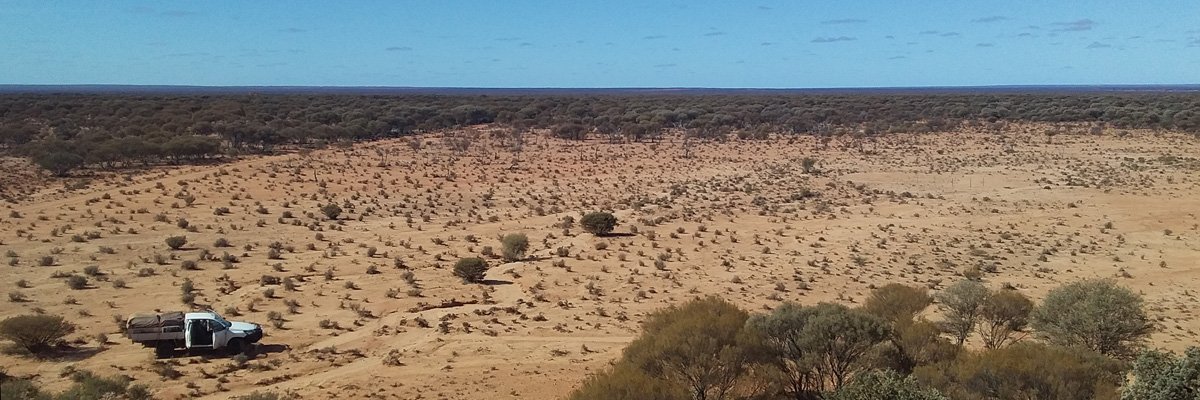
Sustaining Genetic Health of Isolated Populations
Examining inbreeding and genetic diversity in small, fragmented Malleefowl populations — and developing targeted genetic rescue strategies to give isolated groups a long-term future.
Learn more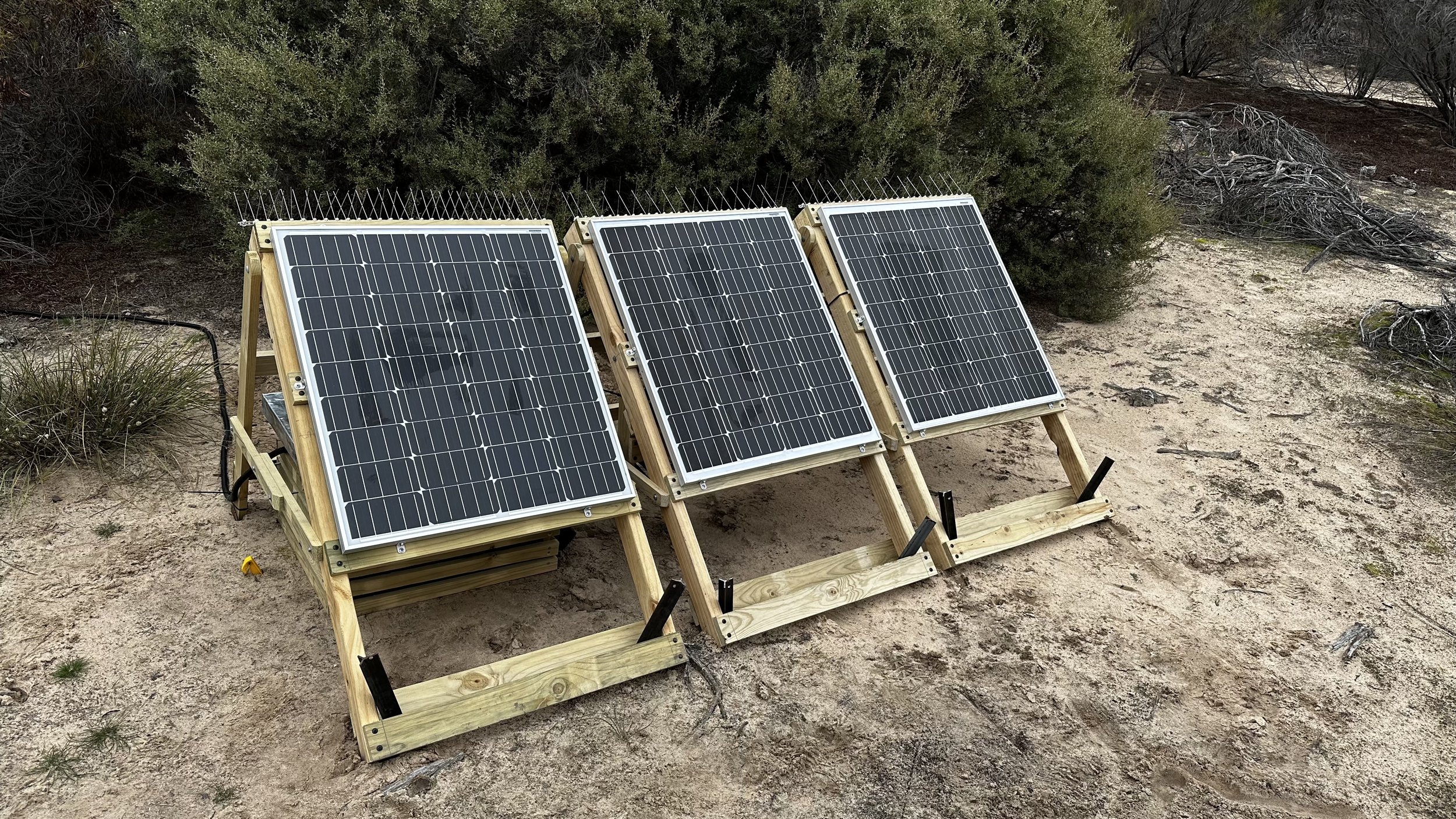
Malleefowl Live Camera
A solar-powered field camera pointed at an active Malleefowl mound, streaming live so anyone can watch incubation behaviour in real time — bringing this elusive species into living rooms across Australia.
Learn more